An independent experimental lab
Experiments in complex systems.
Small rules produce surprising behavior. Petri Labs builds interactive models to study it, from evolving populations and moving flocks to chemical patterns, markets, and opinion networks.
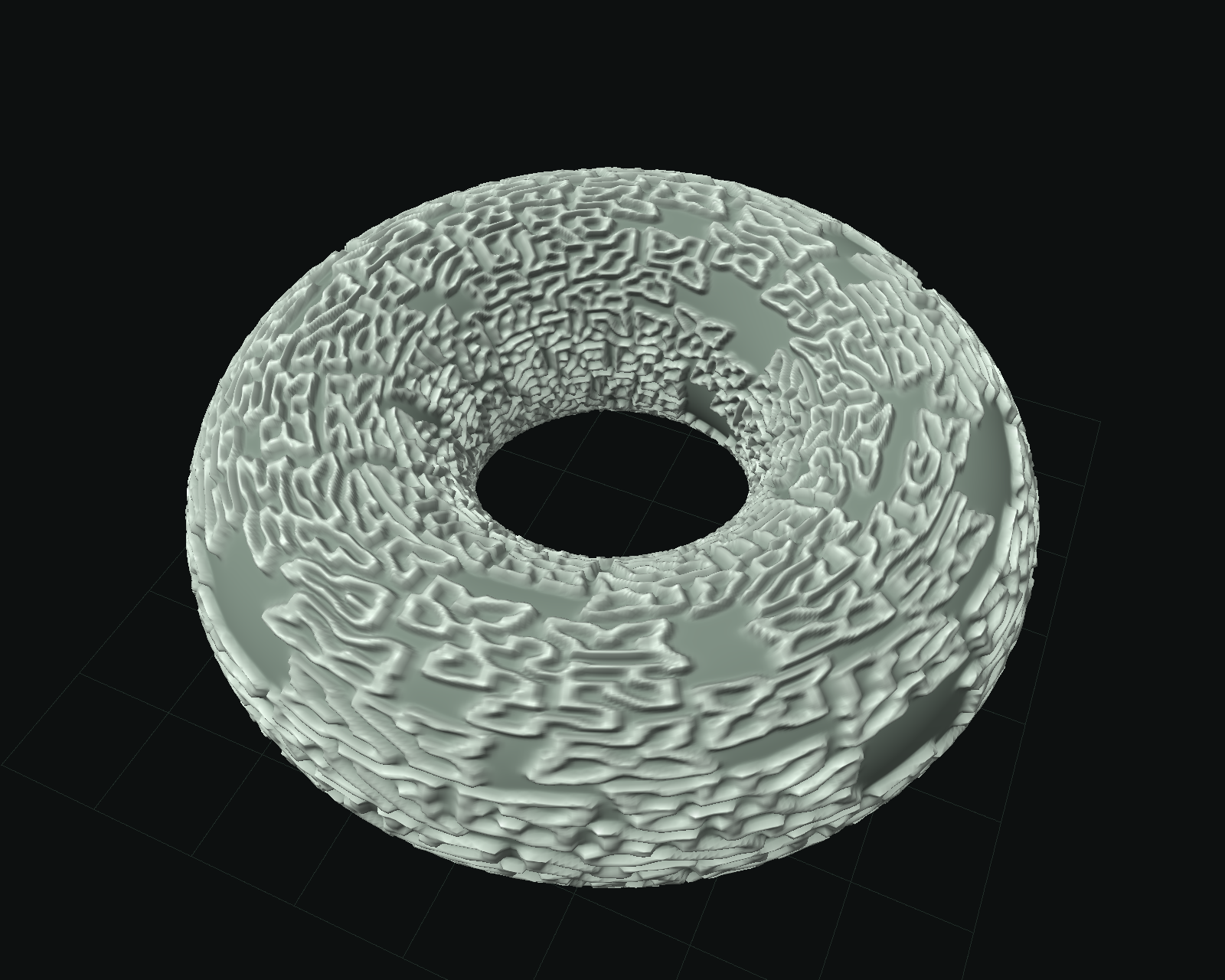
A 3D view of a 2D periodic model. Surface relief shows chemical concentration.
F = 0.0545 k = 0.062 seed = 0x5eed02 512 × 512
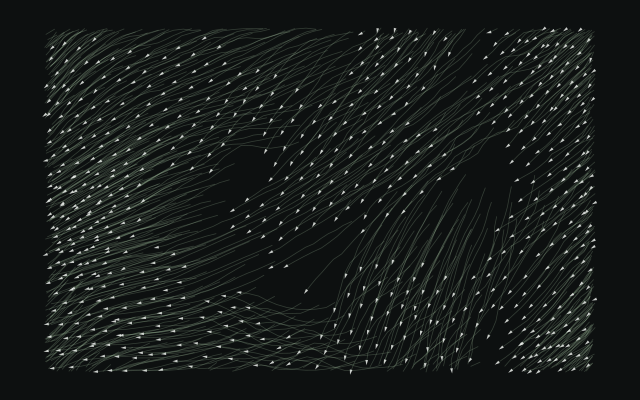
Five model worlds
Questions and methods →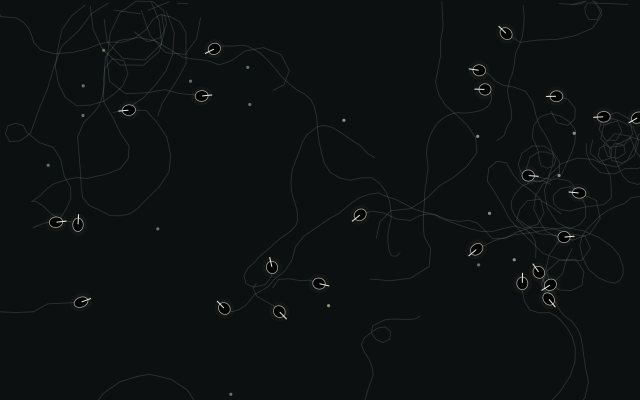
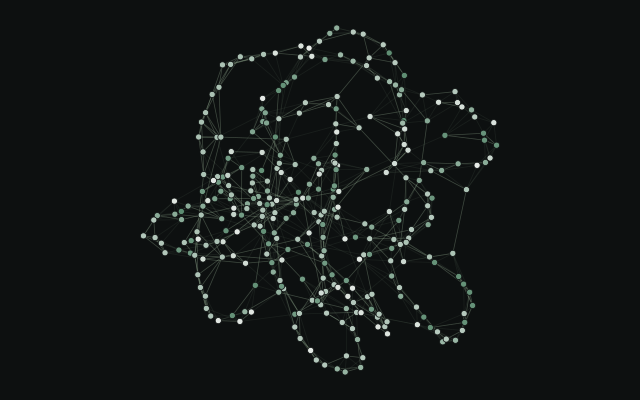
From exploration to experiment
Change one thing.
Measure what follows.
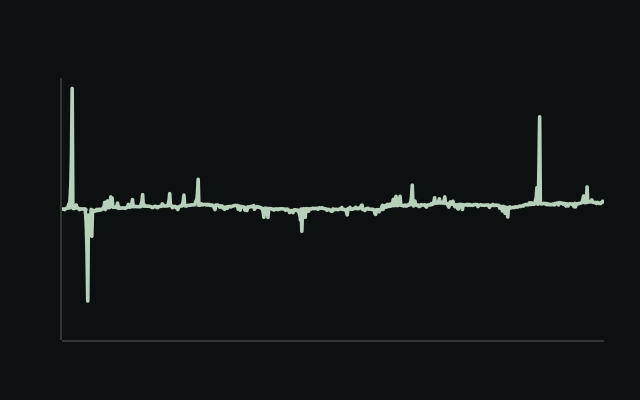
Each world can be explored in the browser or studied through the MCP interface. The shared experiment tools compare conditions across seeded replicates.
How the experiments work →Ask a question
Choose a model, an observable, and the parameter you expect to affect it.
Compare conditions
Run a control and a treatment using matched seeds. Repeat across seeds to distinguish an effect from a single run.
Inspect the evidence
Read the measurements, uncertainty, and effect sizes. Keep the claim within what the model and experiment support.
Petri Bench
Can a model design
a useful experiment?
A benchmark for testing how language models choose interventions, use evidence, and calibrate causal claims inside these simulated worlds.
Results you can inspect
The published sweep includes 579 model episodes and 120 baseline episodes. Each record keeps the task, tool calls, measurements, and scored outcome together.
Results, methods, and episode artifacts →Tools from the lab
Useful beyond the models.
Piiscope detects personal data and supports local privacy workflows. The tools catalog also includes focused utilities for releases, testing, configuration, and development environments.
Browse the tools →